B1Biosite
374.21 ha
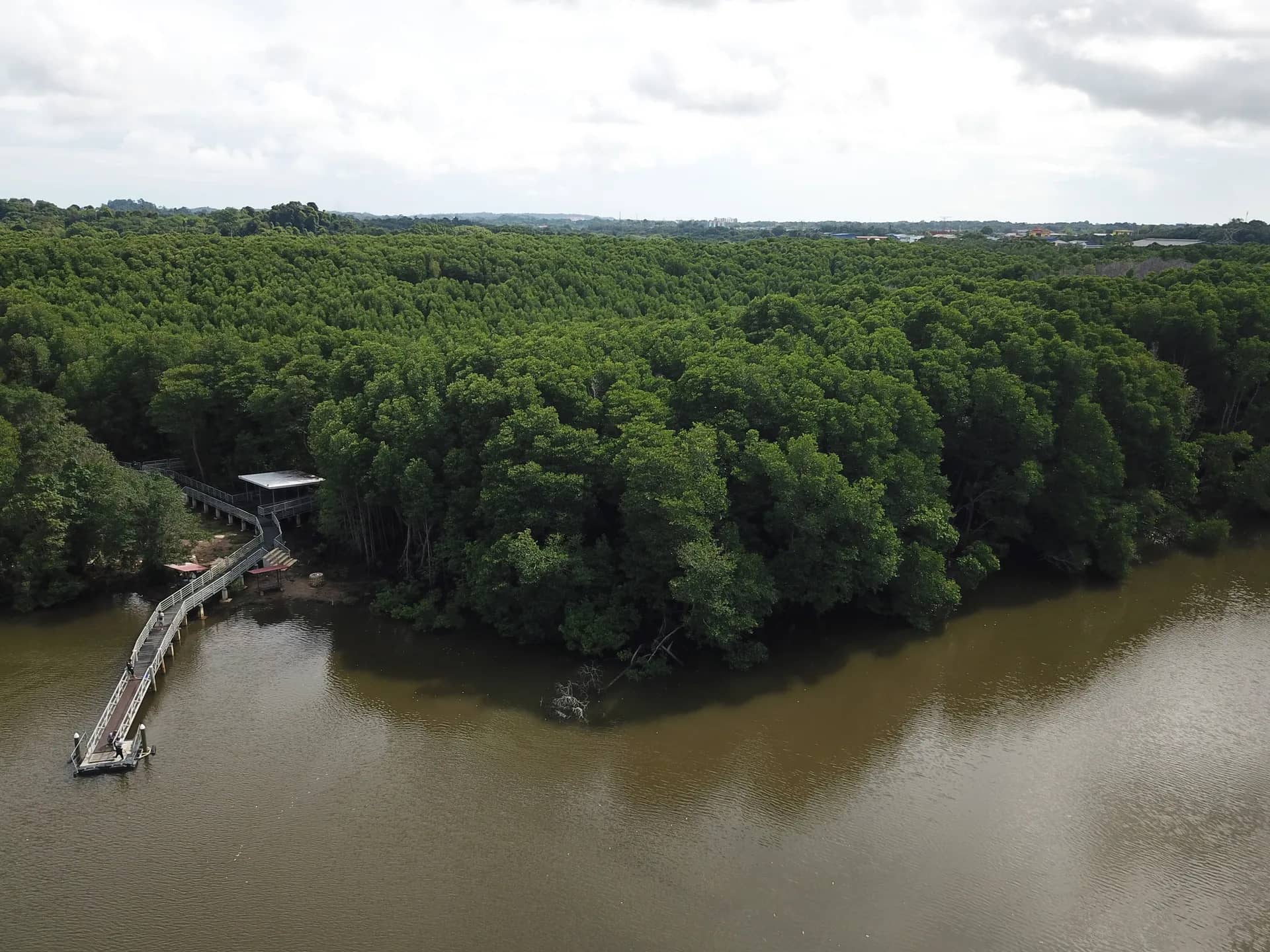
Kinabenuwa Mangrove Swamp
Labuan’s largest mangrove forest (374.21 ha), home to 47 plant species from 23 families including Merbau Ipil, Hybrid Gedabu, Gedabu and Gelam Laut, a Bornean endemic.
View site

Proposed as a wildlife sanctuary by the Sabah Nature Society, the island is a breeding site for three tern species and an important stopover for migratory waterbirds between October and April.
Pulau Ular has been proposed as a wildlife sanctuary by the Sabah Nature Society. It serves as a breeding site for three species of terns: Bridled Tern (Onychoprion anaethetus), Black-naped Tern (Sterna sumatrana), and Roseate Tern (Sterna dougallii). The island is also an important stopover site for migratory waterbirds between October and April.
Other important stopover sites for migratory waterbirds in Labuan include the Sungai Labu tidal flats, the Sungai Lada wetlands near SMK Rancha-Rancha, Labuan Botanical Garden, and the Nagalang and Kinabenuwa tidal flats.
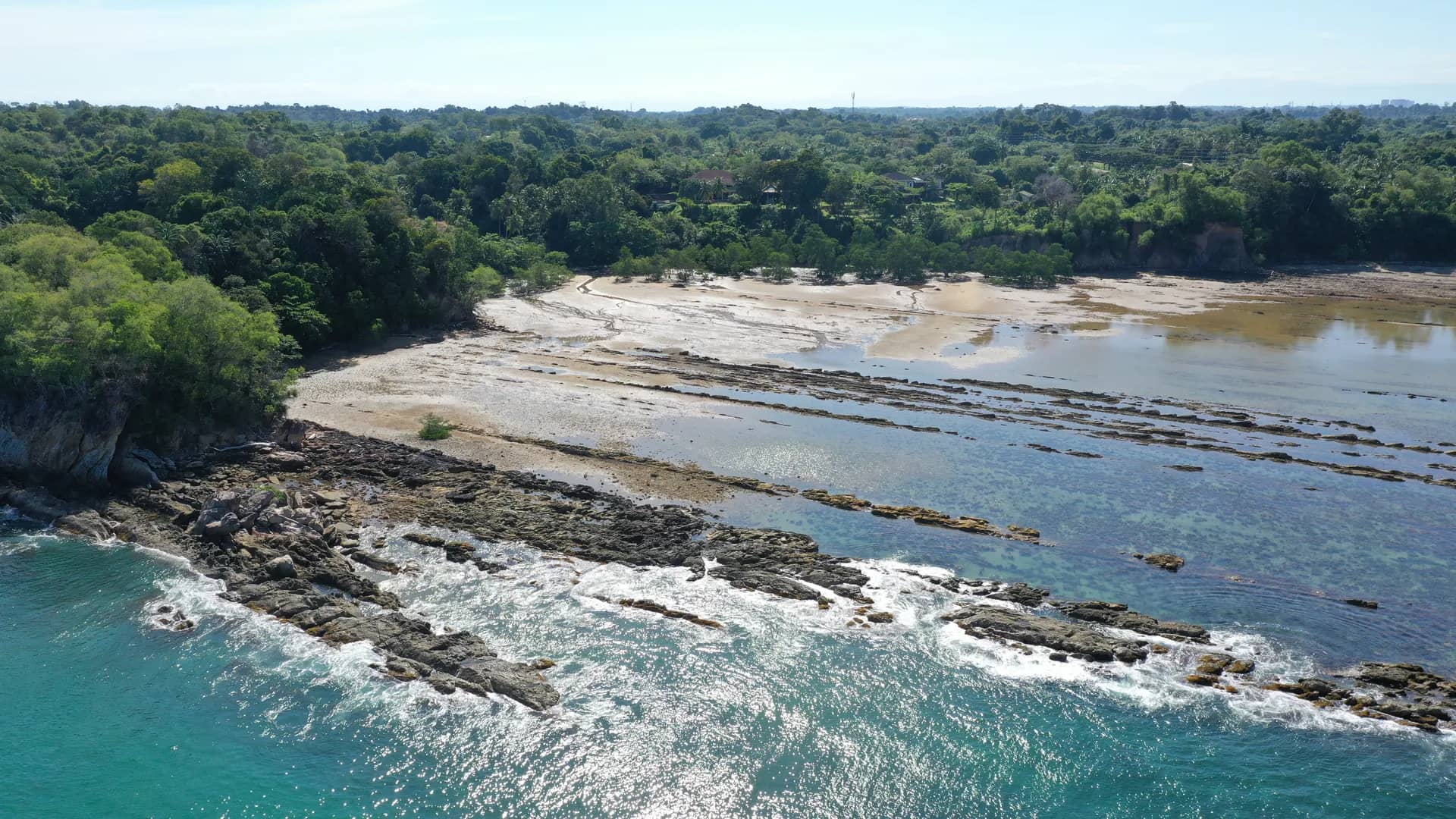
The island lies just off the Tanjung Layang-Layangan Cross-bedding geosite, where Belait Formation strata extend across the tidal flat towards Pulau Ular at low tide.
Labuan’s largest mangrove forest (374.21 ha), home to 47 plant species from 23 families including Merbau Ipil, Hybrid Gedabu, Gedabu and Gelam Laut, a Bornean endemic.
View site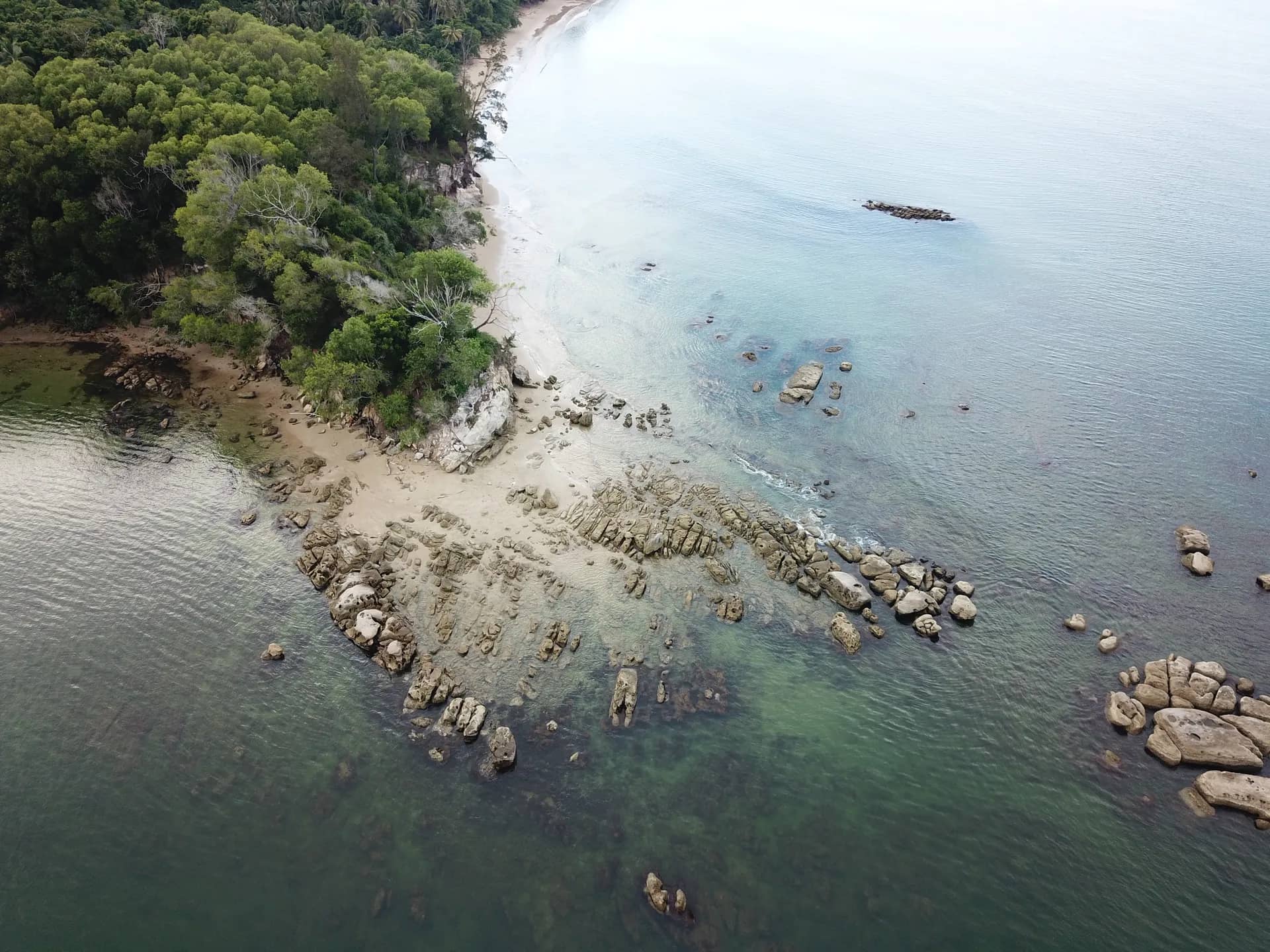
Rocky and sandy beaches supporting coastal forest ecosystems. A flora survey along the Chimney Trail to Tanjung Aru Beach recorded 61 plant species, including 35 tree species.
View site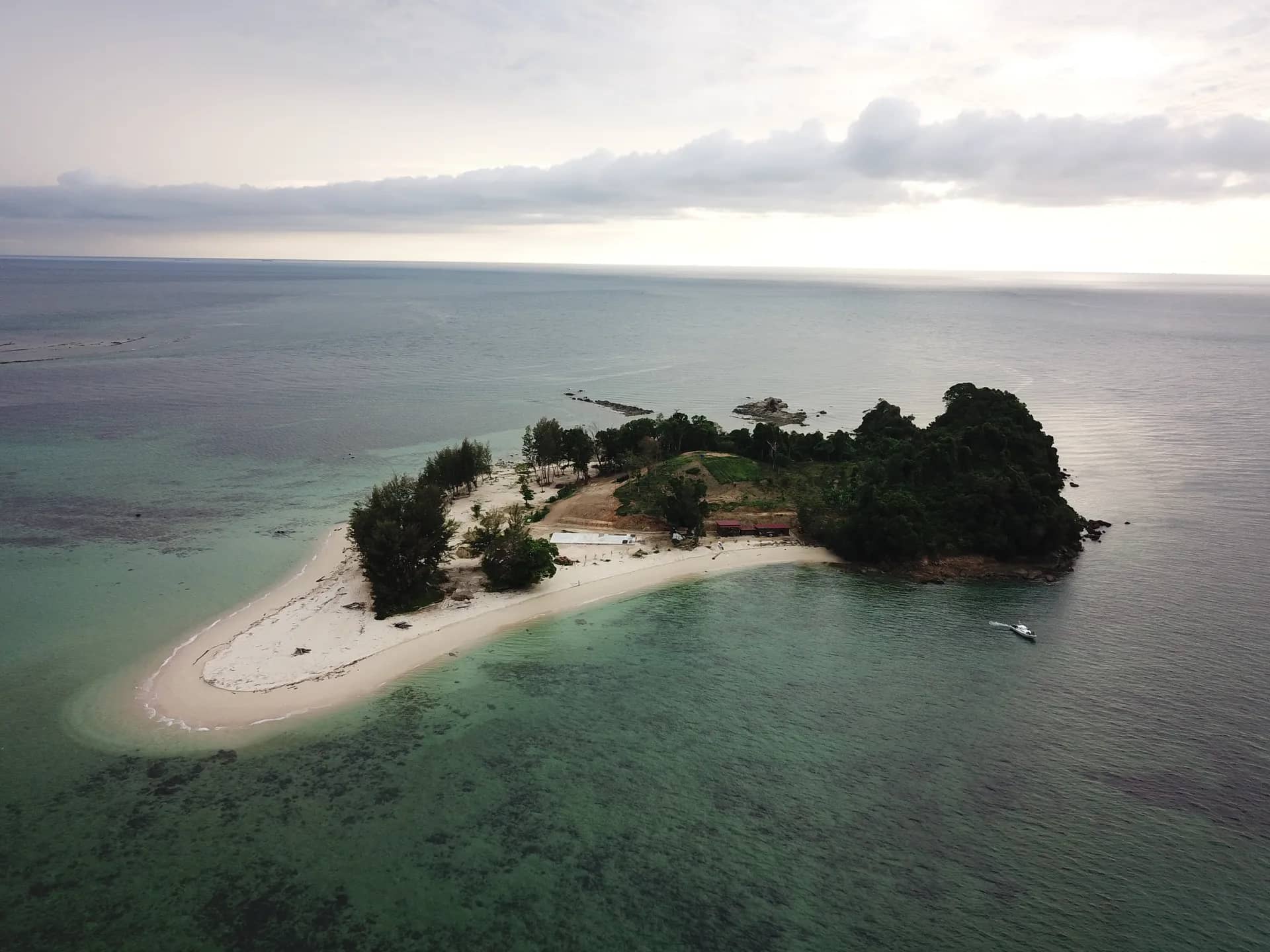
The Labuan Marine Park (5°15'N; 115°07'E) includes Pulau Rusukan Besar, Pulau Rusukan Kecil and Pulau Kuraman. All three islands are fringed by shallow coral reefs rich in marine life, with 161 coral species from 54 genera and 15 families recorded.
View site