
About Labuan Geopark
Officially recognized as a National Geopark in 2021, Labuan Geopark is Malaysia’s first geopark located on an island federal territory. It covers Labuan Island and six surrounding islets, encompassing rich geological, biological and cultural heritage.
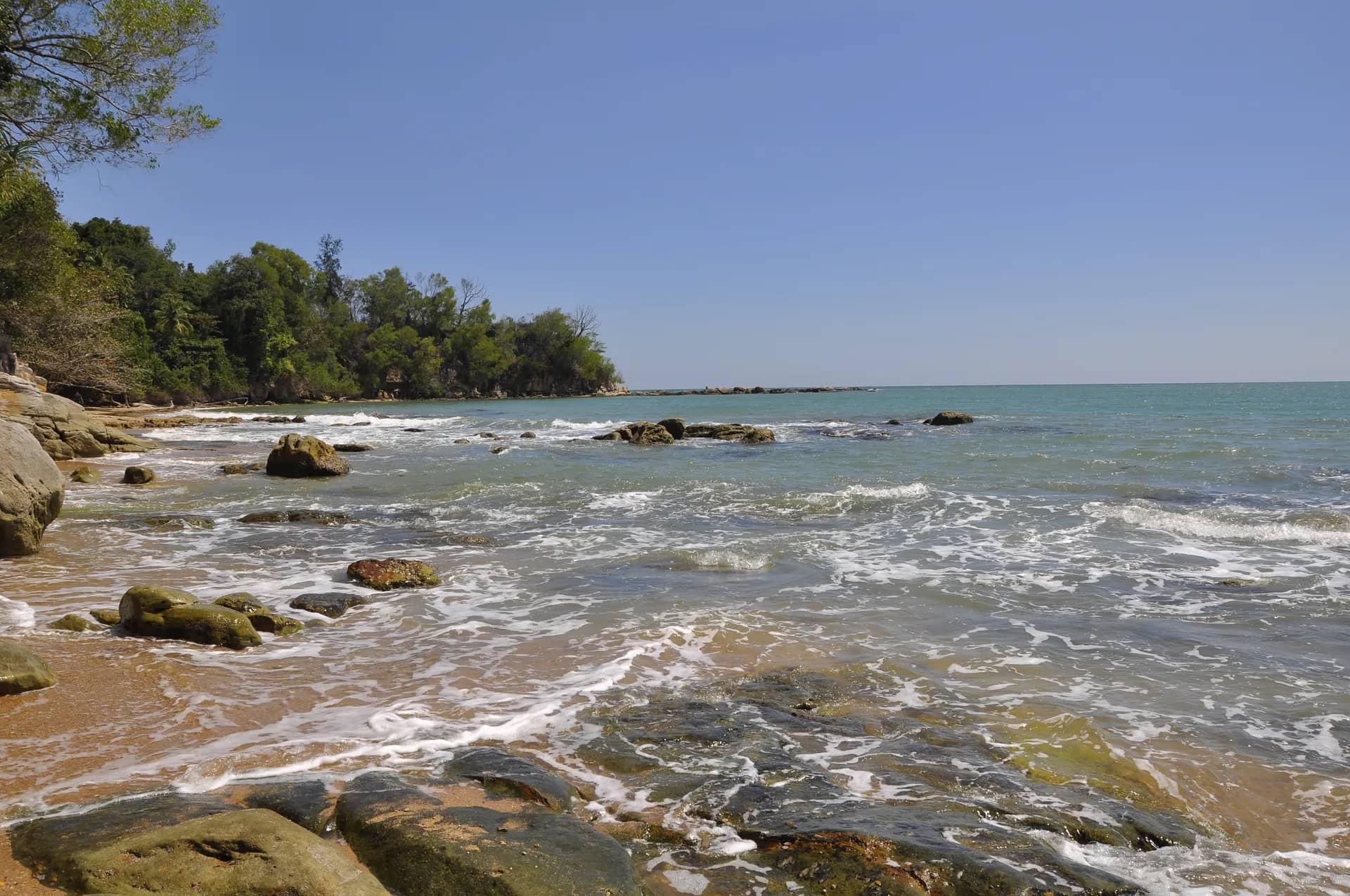
With over 300 million years of geological history, Labuan offers spectacular coastal geomorphology, including rocky headlands, sea caves, tafoni formations, and coral reef platforms. The geopark comprises 16 designated geosites categorized under geological, geomorphological and cultural evolution.
Meet BatuMan
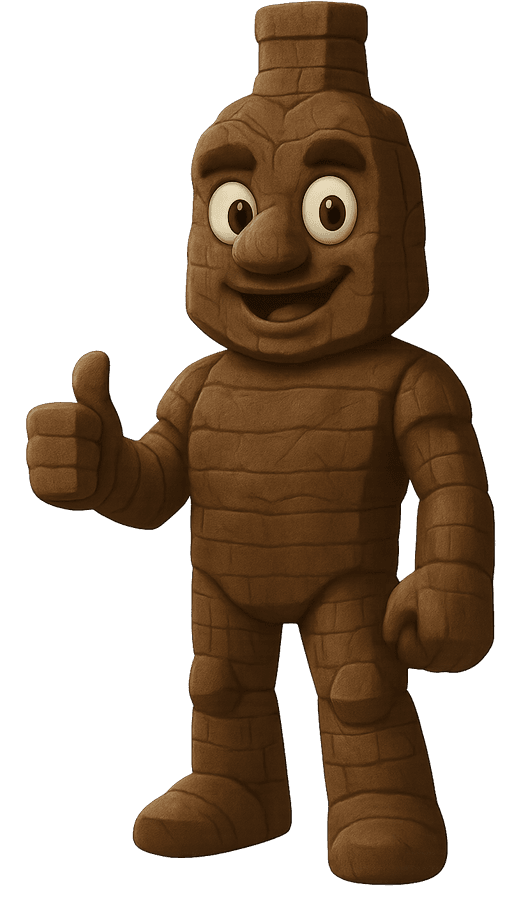
Say hello to BatuMan, the friendly, adventurous rock explorer who guides visitors through the natural and geological treasures of Labuan Geopark.
Fun facts about BatuMan
- Inspired by Labuan’s rocky headlands and sedimentary formations.
- Loves underwater adventures, fossil hunting, and teaching about ancient life.
- Always ready to teach kids and adults about the earth’s ancient history and the importance of protecting it.
Geological History of Labuan
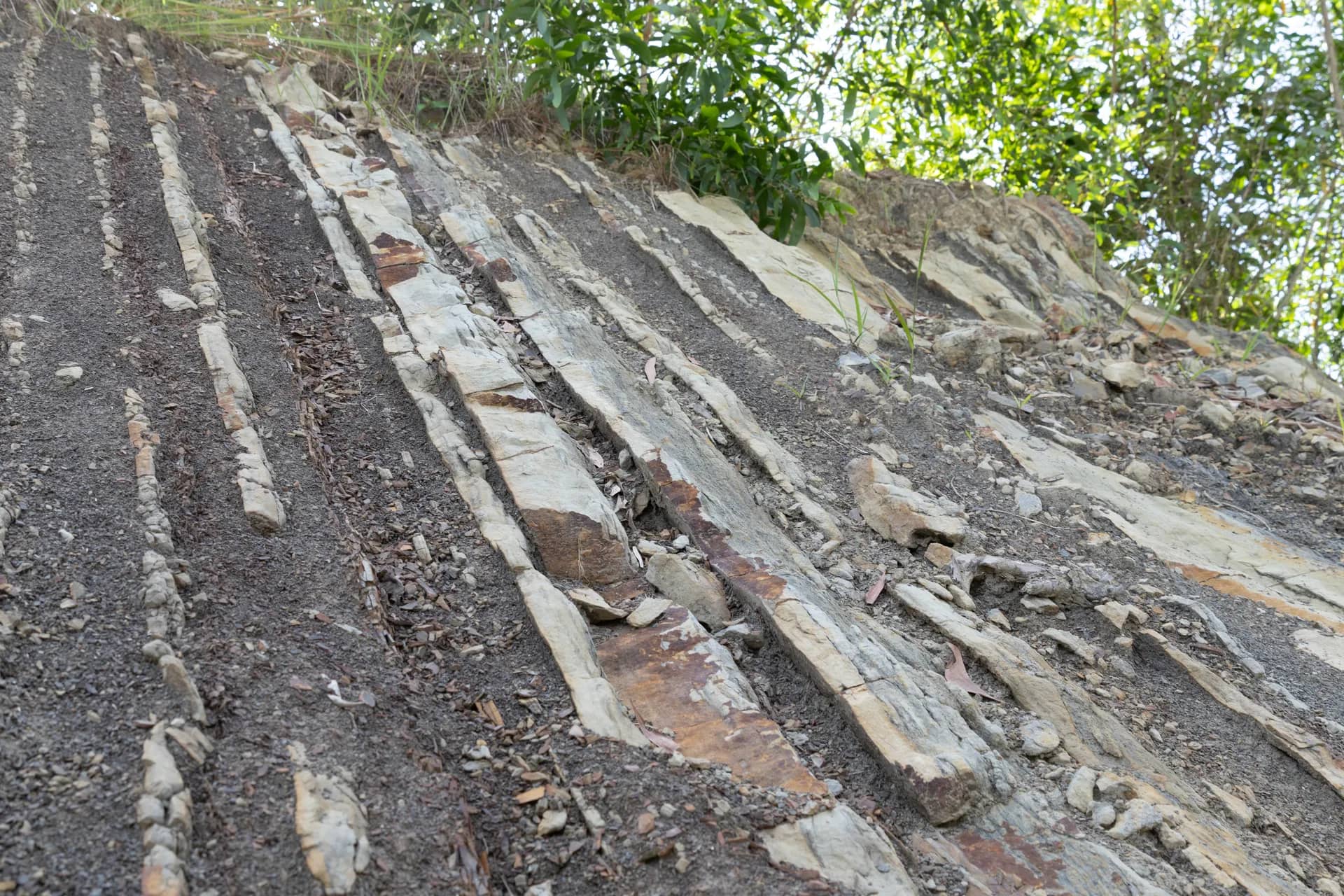
Labuan’s geological timeline stretches back to the Late Carboniferous period, with sedimentary rocks such as sandstone, mudstone, and shale deposited in deep marine environments. Over millions of years, geological transformations have shaped Labuan’s distinctive and scientifically valuable landscape.
Key events in Labuan’s geological evolution
- 1Formation of the Crocker, Temburong, and Belait FormationsThree major rock units that represent a transition from deep marine environments to coastal and terrestrial settings.
- 2Discovery of trace fossils and coal seamsProviding evidence of ancient environments, from deep-sea ecosystems to coastal forests rich in plant life.
- 3Tectonic activitiesMovements in the Earth’s crust uplifted the seabed, eventually forming the present-day Labuan Island.
This diverse geological landscape makes Labuan not only a paradise for geologists and nature enthusiasts but also an essential site for scientific research, education, and sustainable geo-tourism initiatives.