
G12
Geosite

Trace Fossil Tanjung Punei

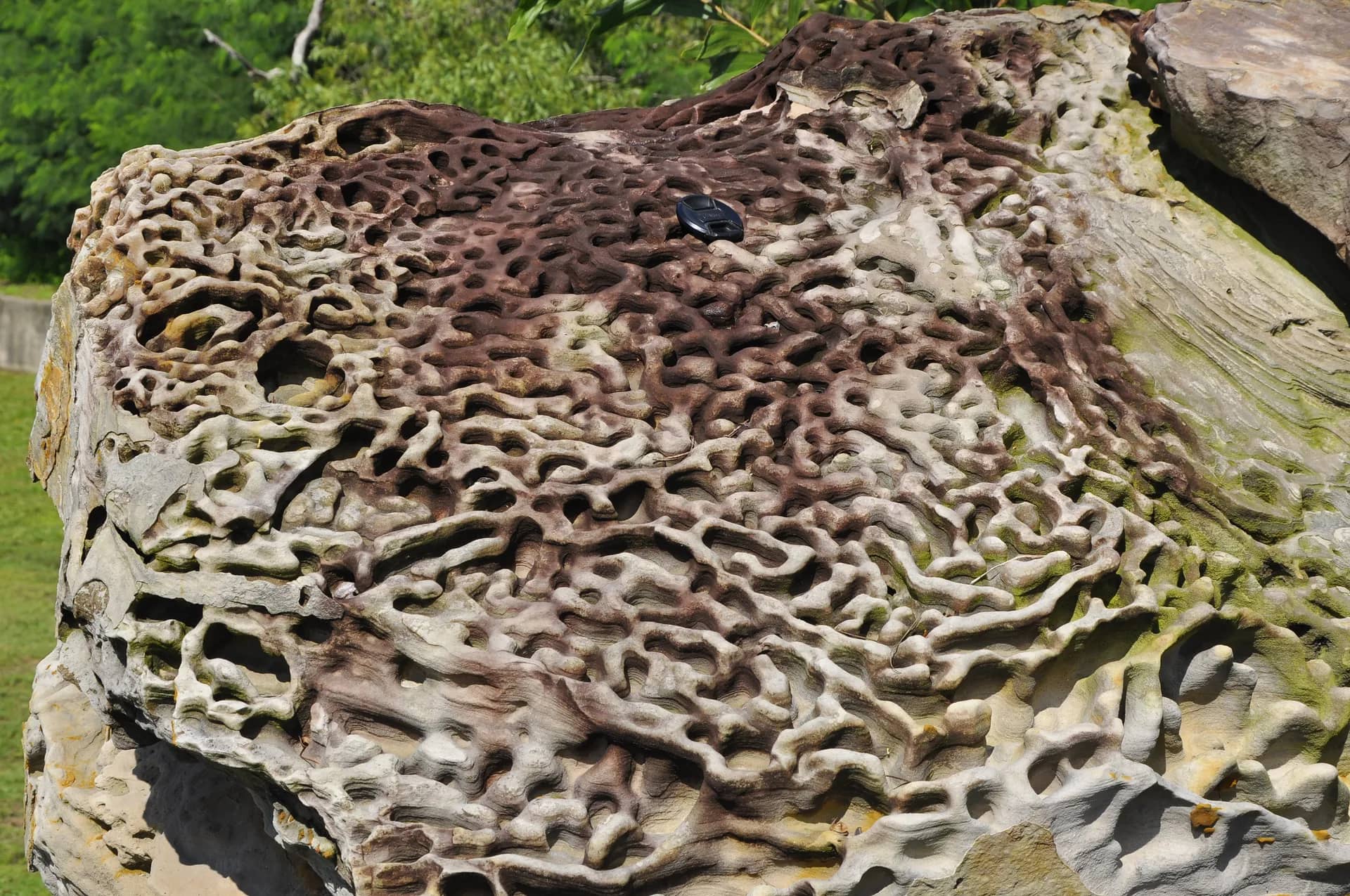
Abundant deep-marine trace fossils of Paleodictyon isp., a honeycomb-patterned trace linked to food-farming behaviour (Agrichnia), exposed on a wave-cut platform along the Tanjung Punei coastline.

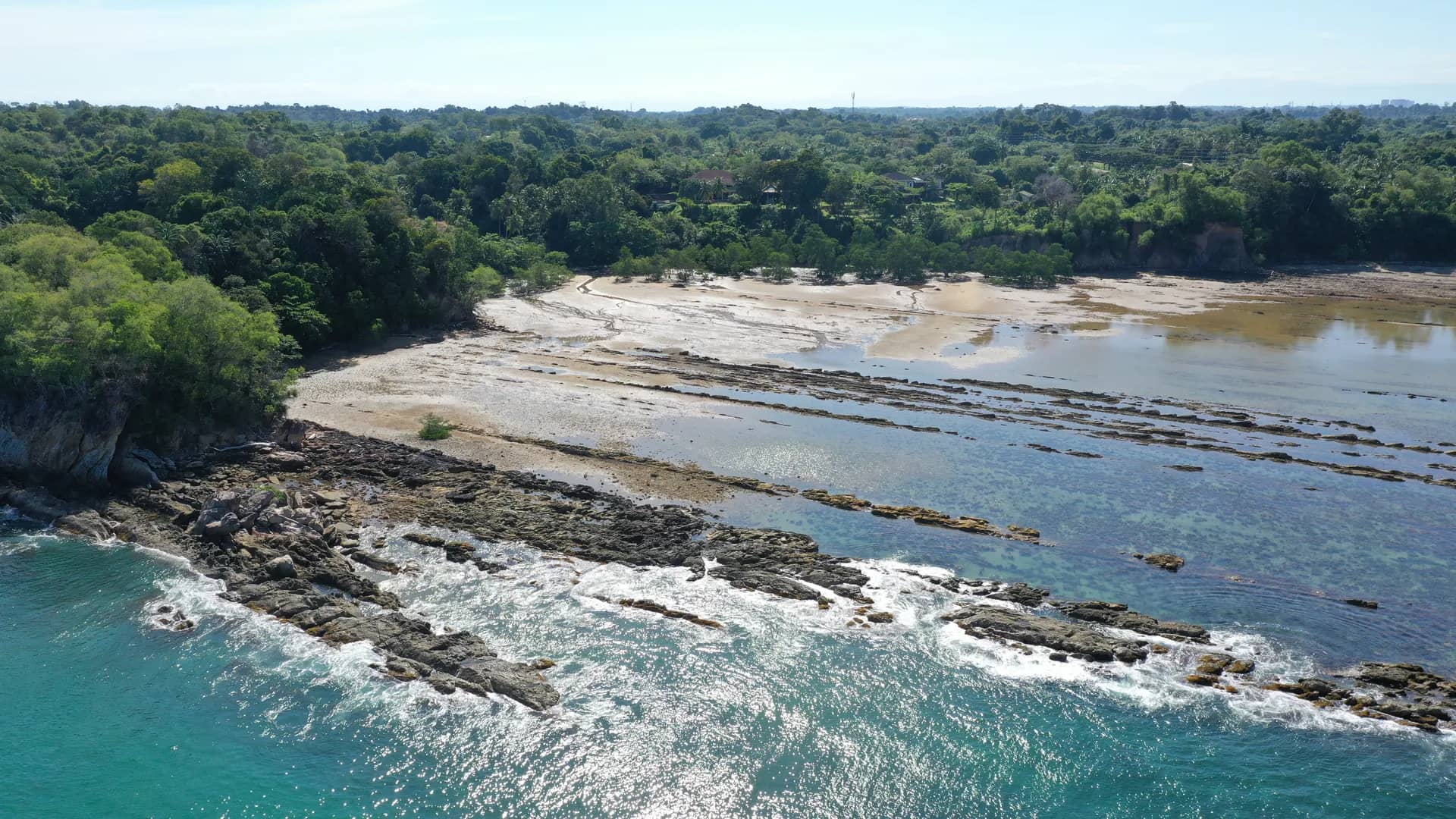
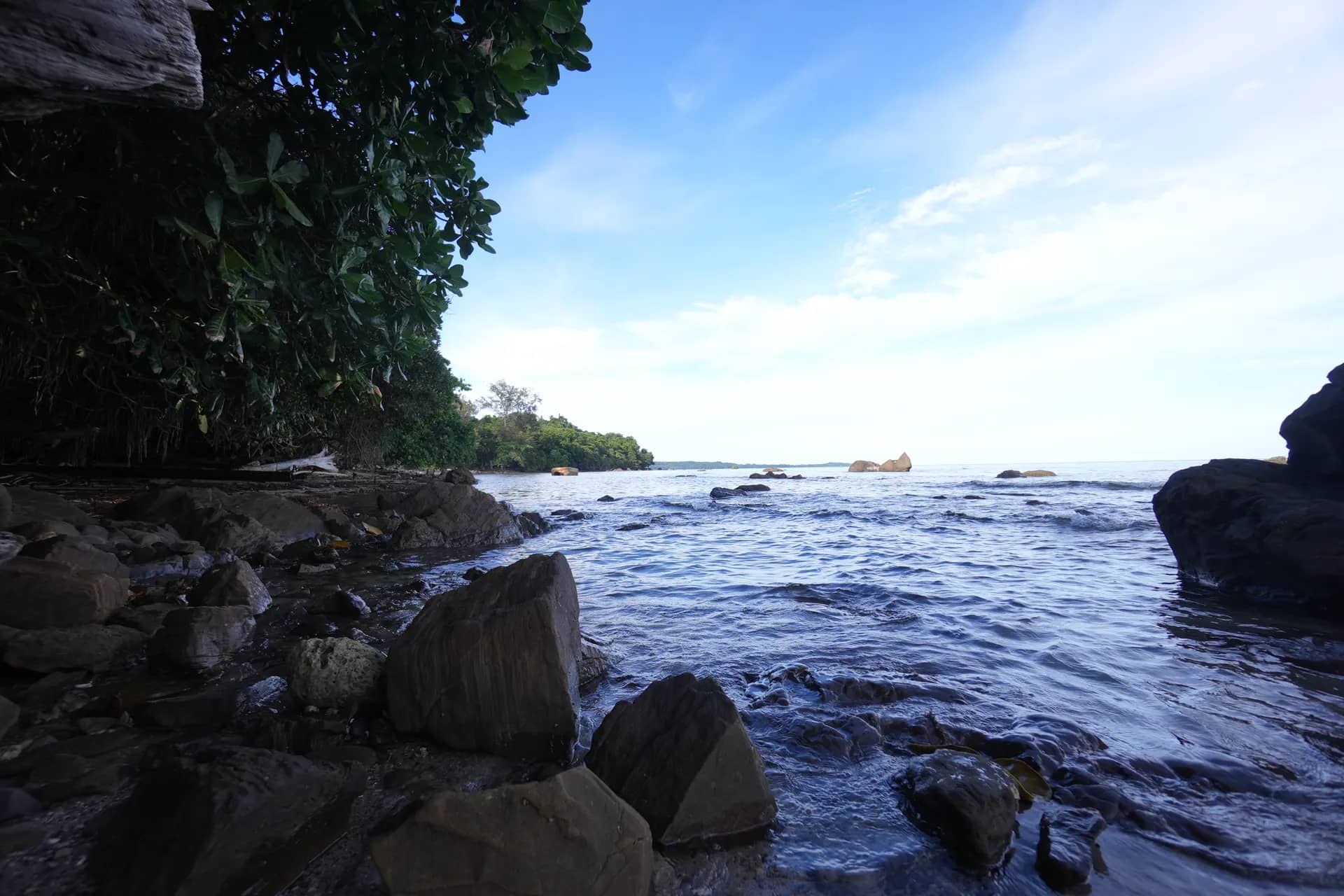
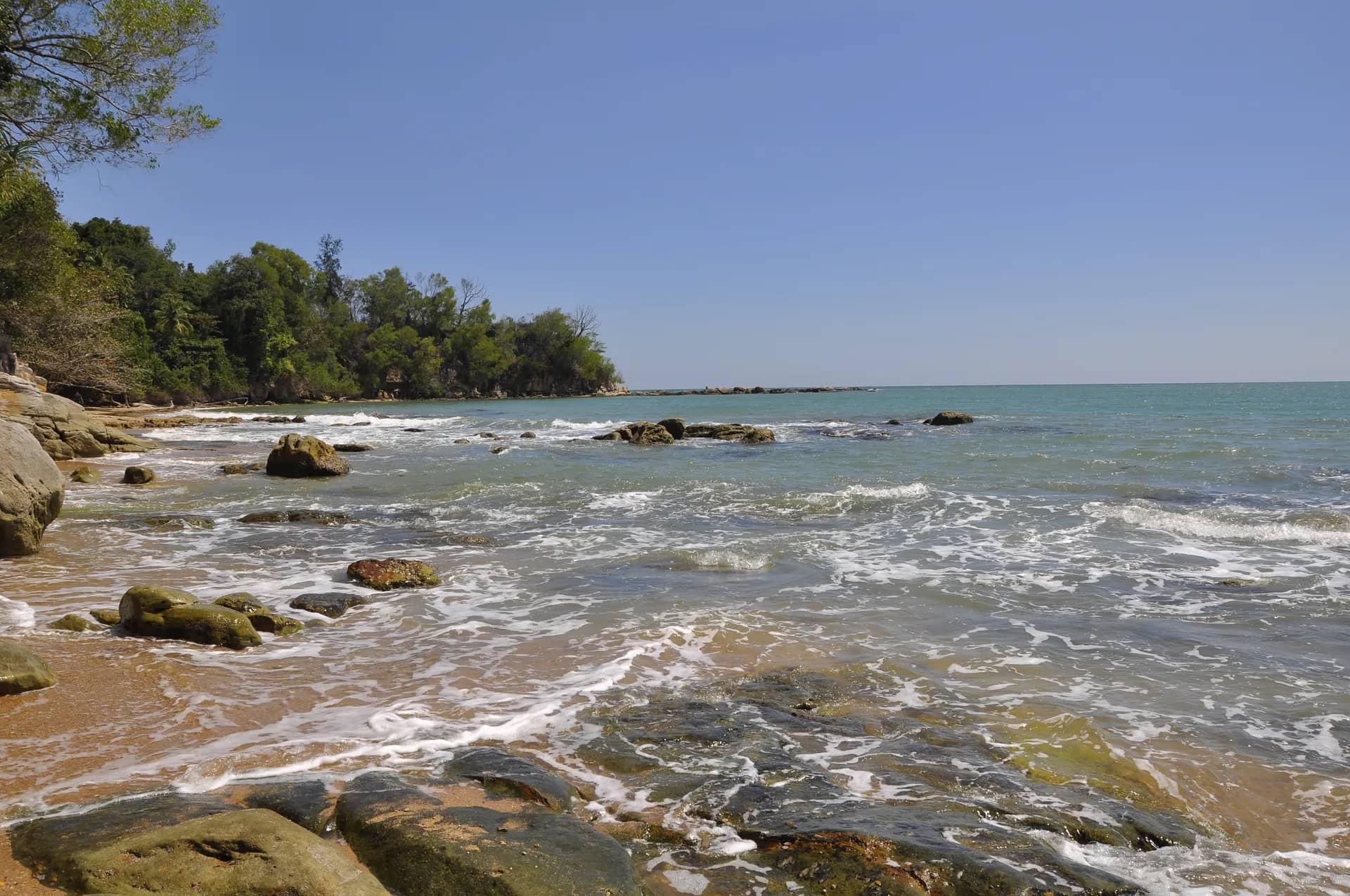
The Tanjung Punei Geosite exposes layers of the Temburong Formation, which were deposited in a deep-marine environment about 33 million years ago. These rock layers are well exposed, forming a clear wave-cut platform along the coastline.

The main highlight of this geosite is the abundance of deep-marine trace fossils, particularly Paleodictyon isp. This type of trace fossil, with its hexagonal or honeycomb-like pattern, indicates the activity of marine organisms in trapping and obtaining food (Agrichnia). Other trace fossils, such as Spiroraphe isp., can also be found here, making this geosite an important record of ancient deep-sea ecosystems.

14 photos

Photo gallery