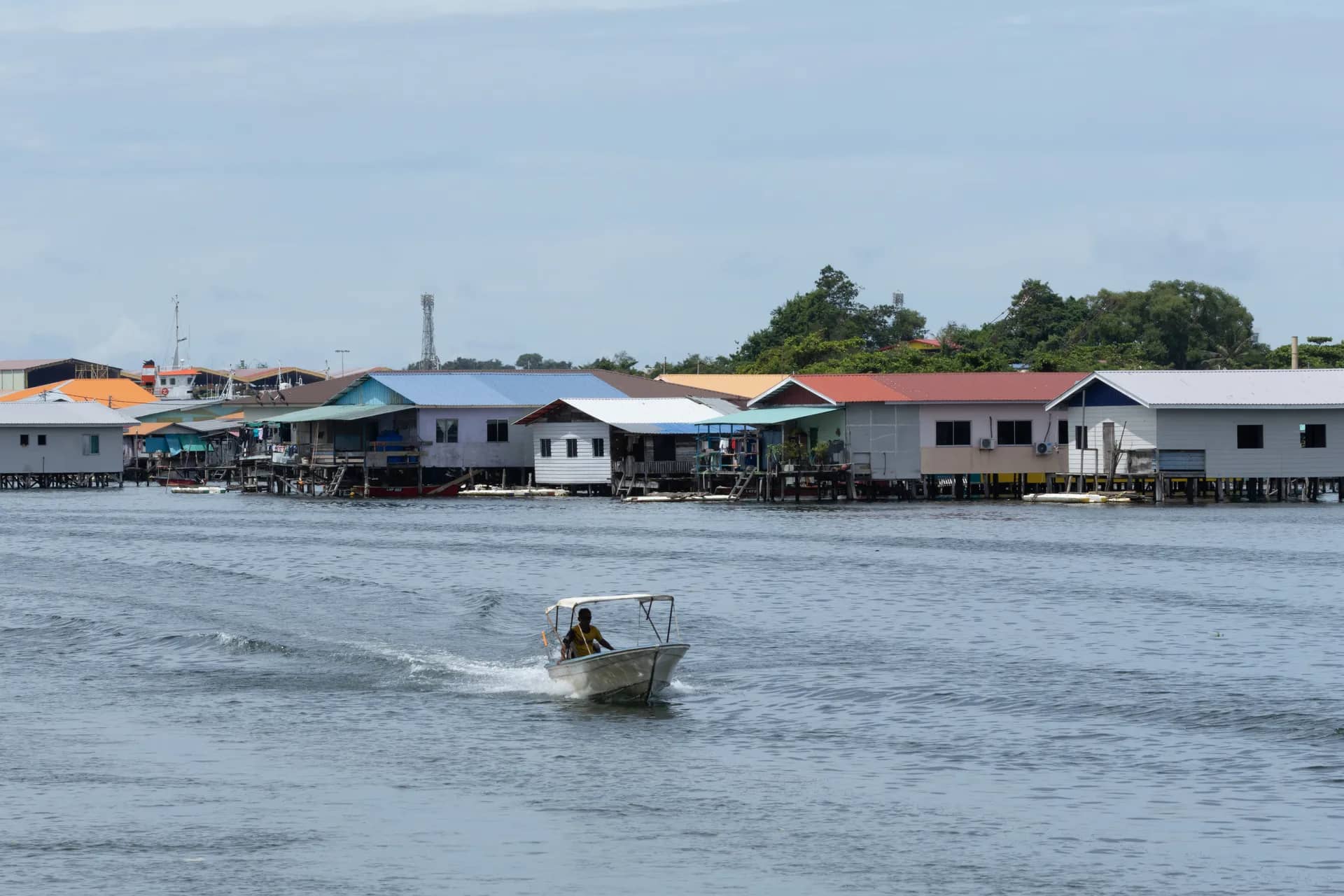
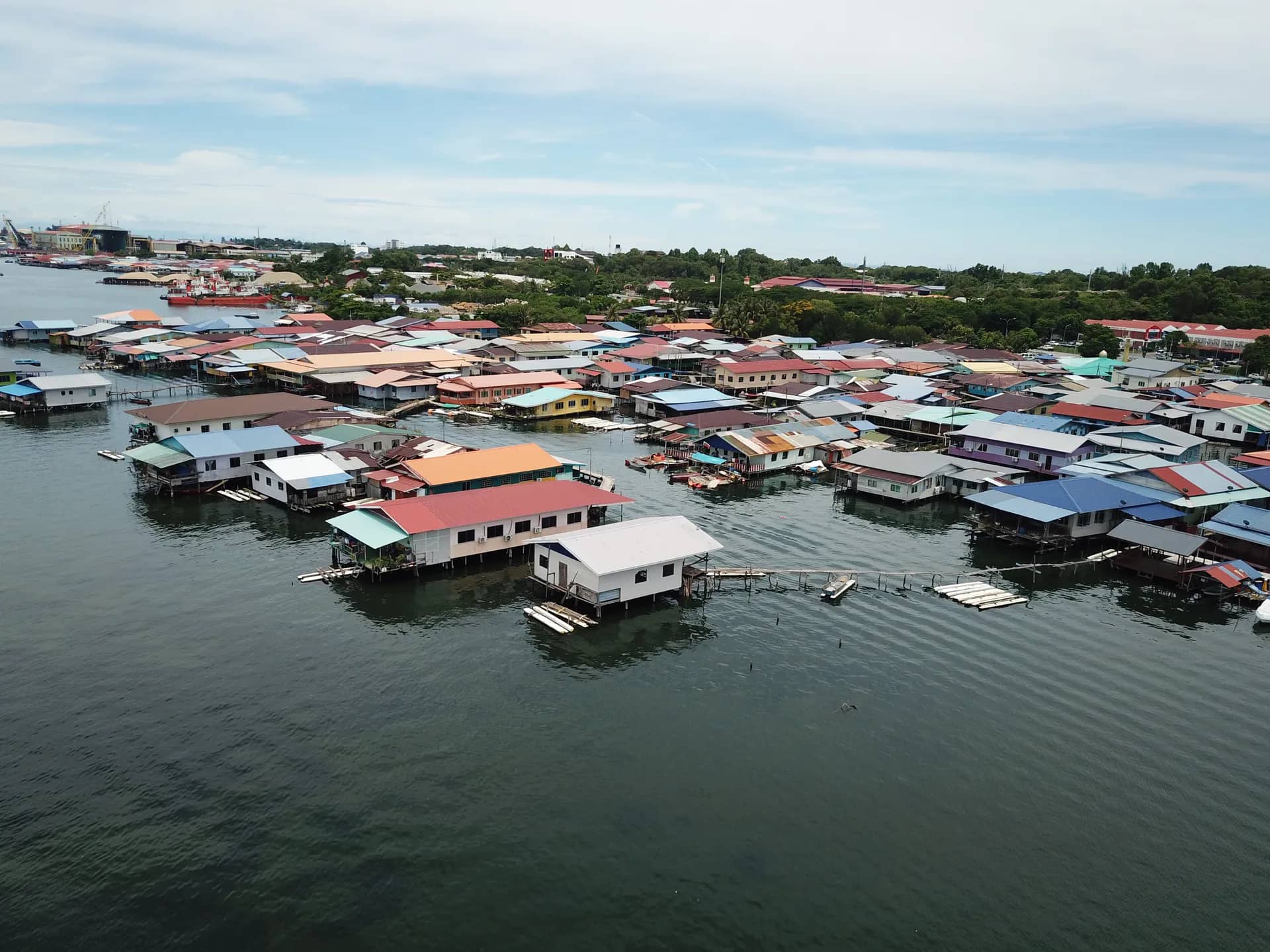
Labuan is not only rich in natural heritage, but also holds a long-standing cultural history and local traditions passed down through generations. This cultural heritage encompasses the people’s lifestyle, customs, beliefs, and traditional performing arts, closely intertwined with the island’s natural surroundings. The uniqueness of Labuan’s cultural traditions is evident in its diverse communities, particularly the Brunei Malays, Kadayans, and Kadazan-Dusuns, who continue to preserve the traditional practices of their ancestors. Traditional coastal villages and water settlements still retain their distinctive architecture and way of life, standing as living testimonies of enduring cultural heritage.
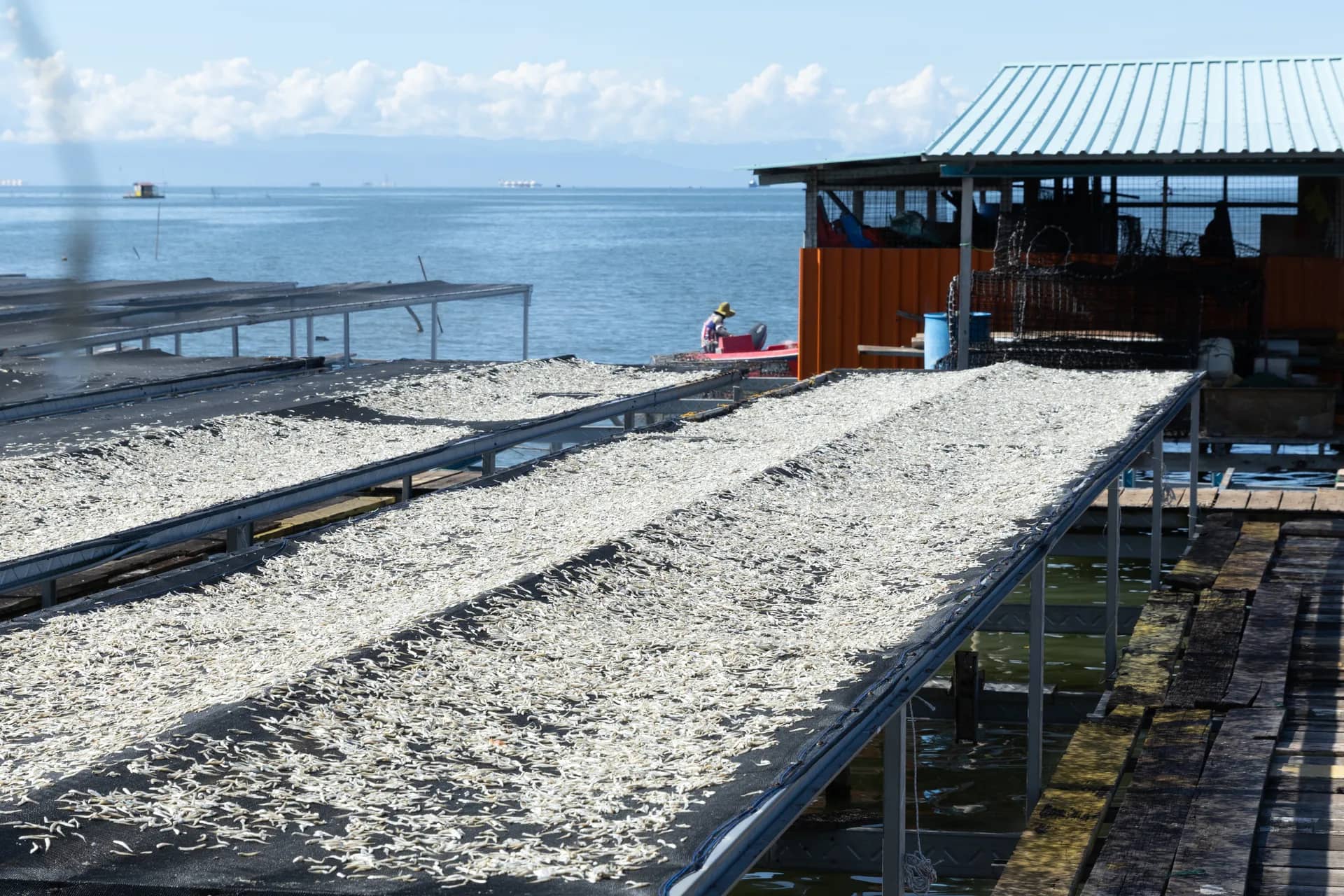
In addition, Labuan’s cultural heritage includes tangible elements such as traditional tools, ceremonial attire, handicrafts, and heritage cuisine. Coastal villagers continue to use fishing gear, traditional cooking utensils, and woven crafts made from nipah palm leaves. Labuan is known for its traditional Brunei Malay garments like the baju kurung labuh and sinjang, often worn during cultural events and festive celebrations. Heritage foods such as ambuyat, punjung, keropok lekor and salted fish reflect the maritime culture that has shaped the identity of Labuan’s people for centuries.
Intangible heritage also forms a vital part of Labuan’s cultural identity. Traditional performing arts such as the Labuan zapin dance, folk songs, as well as local legends and myths, continue to be passed down within communities. Popular folktales include the story of Pulau Ular as a stopover for migratory birds, and the legend of Batu Bersurat. The local community also preserves traditional herbal medicine knowledge, oral taboos, and ancestral beliefs, maintaining cultural wisdom that has survived through generations.